
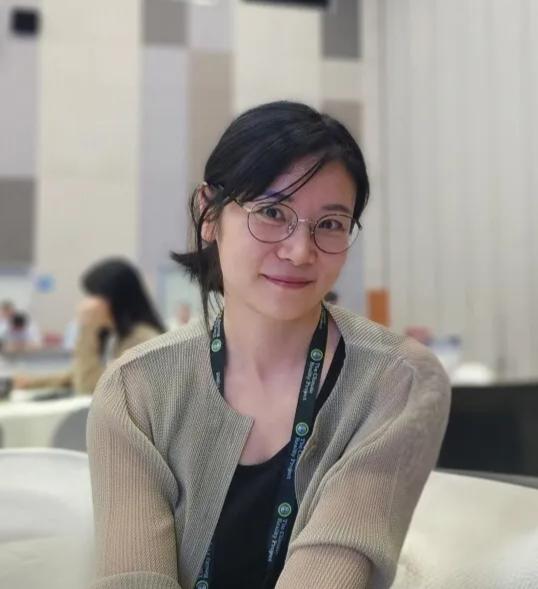
Hyeryoun Chi
Lead Researcher (Shipping & Shipbuilding)
Hyeryoun is a researcher at PLANiT specialising in the maritime sector. Building on her experience at the intersection of shipbuilding and ESG, she explores pathways to sustainable shipping. She considers a balance between technology and policy, industry and the environment, placing at the centre of her life a perspective that remains true to her convictions while embracing diverse viewpoints.
Research topics
ShippingMaritimeIMOESG
◆ Reports
Published reports
Feb 2026Shipping & MaritimeDecarbonisation Hasn't Stopped: Korea's Shipping Choices Amid Regulatory DelayQuantitative analysis of how Korean shipping's fuel mix and total costs shift under the IMO mid-term measure's delay, and why government policy is the decisive lever for the transition.→
Jul 2025Shipping & MaritimeHow the IMO Mid-Term Measure Redraws the Shipping Net-Zero MapA three-scenario quantitative analysis of how the IMO mid-term measure (Net-Zero Framework) reshapes carriers' fuel choices and shipping costs, and why a reward system and government policy are needed to drive an early transition.→
Jun 2025Shipping & MaritimeIMO mid-term measures: fuel transition strategy and costThree-scenario cost analysis of fuel transition pathways under the IMO Net-Zero Framework mid-term measures.→
Apr 2025Shipping & MaritimeCarbon lock-in: international shipping's decarbonisation delayedQuantitative analysis of fuel transition pathways and how LNG expansion risks structural carbon lock-in in international shipping.→
◆ Insights